
SELECTION OF CHEESES SUITABLE FOR COOKING

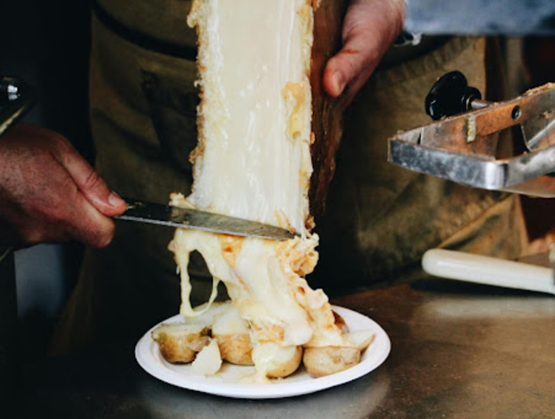
This appeal is partly based on the emotional dimension of melted cheese. It evokes family memories, while fitting perfectly into contemporary cuisine. This combination of comfort and modernity explains the current boom in cooking cheeses in specialist shops and in homes.
Consumers are more attentive to character and authenticity
Customers want products with identity. Amanda Burningham, Cheese Marketing Manager at Emmi UK, points out that consumers ‘are no longer limited to classic cheeses’ and are now looking for ‘products with provenance, character and real culinary potential’.
This trend is confirmed in specialist cheese shops. Jen Grimstone-Jones, founder of The Pangbourne Cheese Shop, says that Raclette is one of her best sellers and ‘sells extremely well throughout the year’.
This loyalty reflects changing habits, with Raclette becoming a convivial meal that is easy to organise, whatever the season.
Marcello Basini, director of Jumi Cheese, explains that consumers particularly appreciate the simplicity and flavour offered by these melting cheeses. According to him, it is possible to ‘achieve a lot of flavour with very accessible preparations’, which contributes to the expansion of the audience.
In-store presentation, a lever of attractiveness
The presentation of cheeses plays a decisive role in their promotion. Displaying half a wheel of Gruyère or a quarter of Comté at the front of a shop immediately attracts attention. This promotion is extended by educational support. Explaining the origins, maturing conditions, melting techniques and uses in cooking helps customers to visualise the product. Shops sometimes add pairing suggestions or recipe ideas, which encourages additional purchases and enhances the in-store experience.
In some cases, cooking demonstrations can be a powerful tool. A hot fondue served at lunchtime or a raclette being prepared near the counter encourages customers to imagine recreating the scene at home.
Understanding cheeses that reveal themselves when cooked
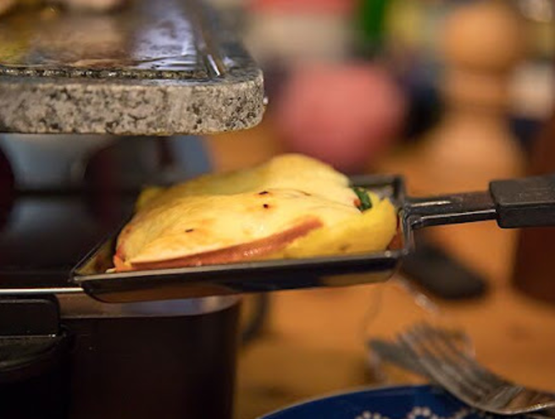
When cooked, some cheeses reveal themselves in a different way. This is particularly true of Raclette and Taleggio. Marcello Basini explains that it is difficult to offer a tasting of cold Raclette because ‘its texture and flavours change completely when it melts’.
Cheeses that dominate culinary uses
The essential cheeses for cooking cover a wide range of flavours. Gruyère remains a staple, particularly appreciated for its balance between strength and meltability. Comté and Emmental, which are more familiar, remain in high demand for gratins and everyday recipes. Fontina brings a creamy texture, while Taleggio adds a more expressive dimension to hot dishes.
Specialised equipment, a natural extension of the offering
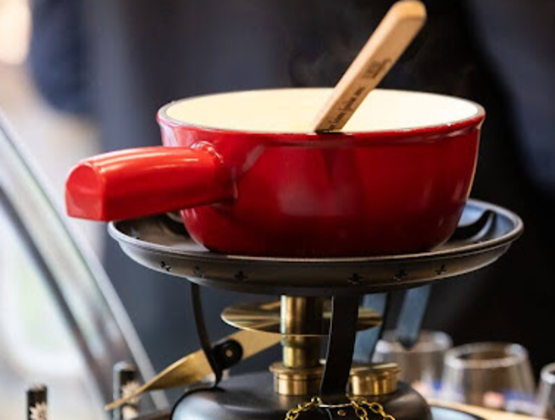
The sale or rental of dedicated equipment such as Raclette machines and fondue pots is a service that is highly appreciated by customers. Some shops even lend Raclette machines to their customers, provided they buy the cheese in the shop. This service strengthens the commercial relationship and makes it easier to organise meals at home. This practice encourages customers to return, motivated by the discovery of new textures, new cheeses or new combinations.
Immersive experiences that strengthen loyalty
In-store events are becoming increasingly popular. Some cheese shops, such as those in the Juminetwork, regularly organise Raclette evenings, where customers can discover several varieties in a friendly atmosphere. These moments create a direct link between tasting, adviceand purchase. Consumers, seduced by the experience, then seek to reproduce it at home, generating lastingloyalty.
Visit the Cheese and Dairy Products Show from Sunday 7 to Tuesday 9 June 2026, the unmissable event for professionals in the sector.