
POLISH PDO CHEESES

Poland has a cheese-making tradition closely linked to sheep farming in the Carpathian Mountains. Although production remains limited in volume, it benefits from European recognition centred around its three PDO cheeses. These cheeses showcase dairy heritage that is shaped by altitude, seasonality and strictly regulated production methods.
Mountain landscapes at the heart of Polish cheese identity
Polish PDO cheeses all come from the Podhale region at the base of the Tatra Mountains. Production is seasonal and relies on the use of local sheep's milk, sometimes supplemented with cow's milk, in proportions that are precisely defined in the specifications. The use of smoking, carved wooden moulds and minimally mechanised processing methods gives these cheeses a distinct, salty and smoky flavour profile, characteristic of Central European mountain cheeses.
Bryndza Podhalańska PDO: A fresh expression of sheep's milk
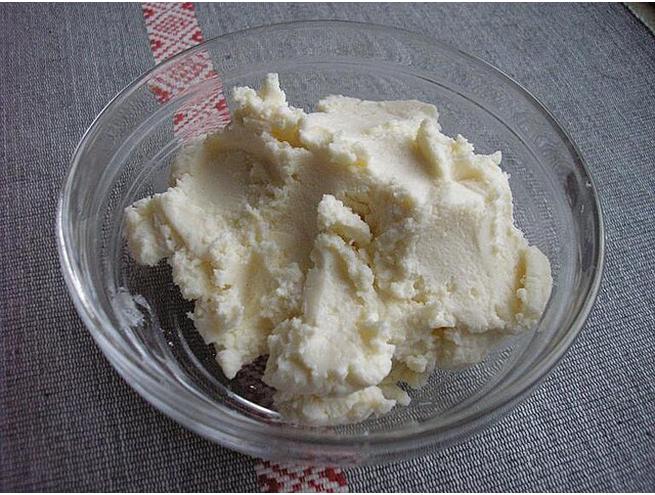
Bryndza Podhalańska, a cheese protected by a PDO since 2007, is distinct from the other two PDO cheeses. It is a fresh or slightly matured cheese, obtained by grinding and salting matured sheep's milk cheeses, resulting in a soft, creamy and homogeneous paste.
Its taste is clean, slightly acidic and salty, with an aromatic intensity directly linked to the quality of the milk used. Consumed as either a spread or incorporated into traditional culinary preparations, Bryndza Podhalańska is still hardly known outside Poland. However, it represents an interesting opportunity for professionals looking for PDO fresh cheeses with a strong territorial identity.
Oscypek PDO: the smoked icon of the Tatra Mountains
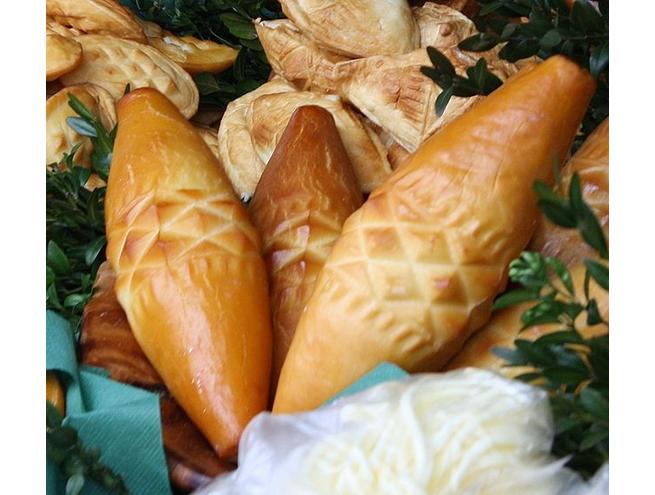
Oscypek is Poland's most iconic cheese. It was awarded PDO status in 2008 and is made from sheep's milk, with the possible addition of cow's milk in strictly limited proportions. The curd is stretched, moulded into traditional engraved wooden moulds, then smoked over wood, which gives it its golden rind and characteristic taste.
Its firm texture, salty profile and pronounced smoky notes makes it an ideal cheese for savouring on its own. But it is also a cheese that is frequently served hot, especially grilled. Oscypek stands as a benchmark for cheese makers and restaurateurs looking for distinctive PDO cheeses, easily identifiable by both its origin and artisanal production process.
Redykołka PDO: a mini cheese-making tradition
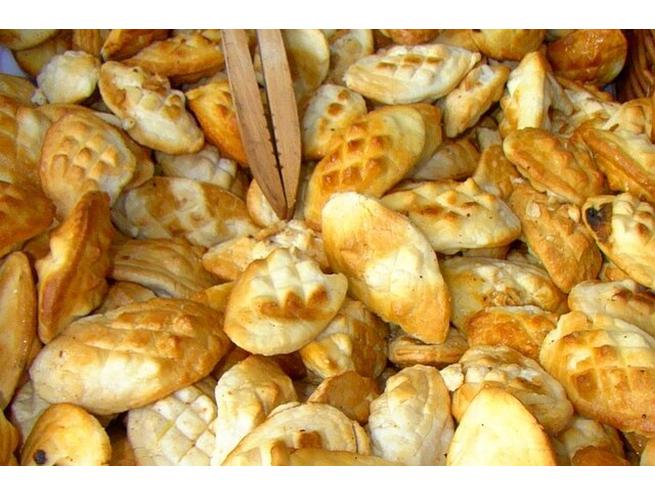
Redykołka, a PDO cheese since 2009, is produced in the same geographical area as Oscypek and is produced using similar techniques. However, it differs due to its small size and decorative shape. It is often hand-moulded into animals or symbolic motifs.
Traditionally offered during the descent of the herds, Redykołka has a strong cultural meaning. Its taste is milder than that of Oscypek, with more moderate lactic and smoky notes. Its limited production and distinctive visual identity make it a niche product, particularly interesting for differentiated assortments in specialised cheese shops.
Polish PDO cheeses with strong potential for professionals
Polish PDO cheeses are characterised by a strong and clear positioning: mountain production, limited volumes, traditional methods and distinctive flavour profiles. Although still little known on the French market, their clearly defined origin and production standards align perfectly with increasing expectations for traceability and authenticity.
Continue your discovery of PDOs with Austria, Portugal, Spain and Greece.
Visit the Cheese and Dairy Products Show from Sunday the 7th to Tuesday the 9th of June 2026, the unmissable event for professionals in the sector.
Image credit: Silar - Wikimedia Commons
Image credit: Maciarca - Wikimedia Commons
Image credit: Pawel Swiegoda - Wikimedia Commons