
The growing impact of digitalisation on the cheese industry

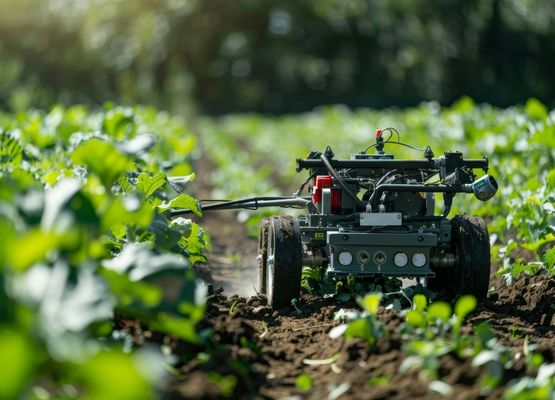
From farms and dairies to cheese production facilities, digitalisation is gaining ground across every stage of the dairy and cheese value chain. Data-driven solutions are becoming increasingly central to performance, enabling producers to monitor herds through sensors, optimise operations with artificial intelligence, enhance customer engagement through connected tools, and reach new markets via digital channels.
Far from replacing the expertise that underpins the production of highquality cheeses and dairy products, these technologies complement and strengthen it. By delivering greater precision, efficiency and traceability, they help industry professionals focus on what matters most: product quality, consistency and consumer satisfaction.
Data-driven dairy farming starts in the field
Connected technologies are transforming dairy farm management. Smart collars, sensors, milk quality monitoring systems and anomaly‑detection applications are generating valuable real‑time data to support dairy farmers. Driven by larger herds and increasing access to digital solutions, these technologies are helping improve animal welfare, production efficiency and decision‑making throughout the dairy sector.
A snapshot of digitalisation on dairy farms
According to a survey conducted by the Institut de l’Élevage (Idele), 92 per cent of French dairy farmers were using at least one connected device in 2024.1 Adoption rates for milking robots, oestrus detection systems and on‑farm cameras more than doubled between 2015 and 20241, illustrating the rapid acceleration of digital technologies across the sector.
Artificial intelligence takes dairy farming to the next level
Artificial intelligence is steadily gaining ground in livestock farming. During a CNIEL masterclass held in May 2026 , experts identified three main 2 forms of AI that are already beginning to transform farming practices:
Predictive AI
Generative AI
Agentic AI
How digitalisation is driving efficiency in cheese production
Digitalisation is becoming increasingly embedded within cheese production facilities, from raw milk intake through to processing and maturation, while complementing the traditional craftsmanship that still remains at the heart of cheese-making. Sensors, automated control systems and monitoring software generate a continuous stream of data, providing manufacturers with greater visibility across their operations.
These technologies help address a range of operational challenges, from enhancing hygiene standards and traceability to easing recruitment pressures and streamlining day‑to‑day operations. Data is also becoming a valuable lever for improving sustainability performance. By analysing operational data, companies can identify opportunities to reduce water and energy consumption, minimise waste and optimise resource use. This represents a significant advantage at a time when Corporate Social Responsibility (CSR) and environmental performance are becoming key priorities across the cheese industry.
The cheese industry is stepping up digital investment
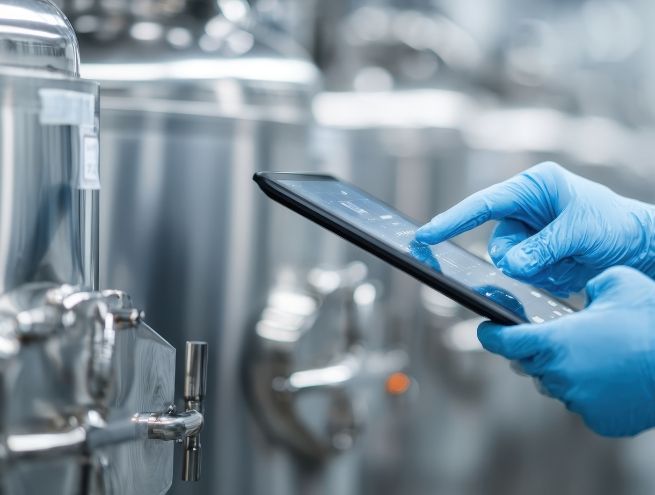
Enhancing the cheese counter experience through digitalisation
Long viewed as a niche trend, digital technologies are now becoming an essential part of the retail environment, helping businesses improve operational efficiency while enhancing the customer experience. Connected weighing systems, digital receipts, integrated management platforms and loyalty programmes are becoming increasingly widespread in cheese shops and other food retail outlets.
QR codes on packaging are also enabling producers to connect directly with consumers, extending the customer experience beyond the point of sale. Through access to rich digital content, including photographs, videos and interactive maps, brands can showcase their products, highlight their origins and communicate the expertise behind them in a more engaging and transparent way.
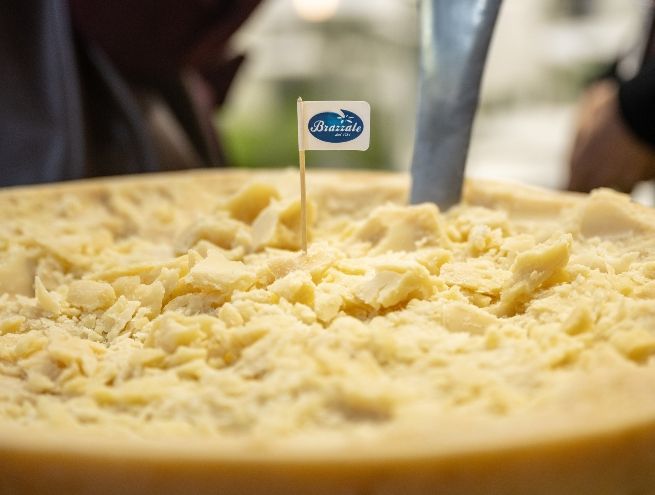
In practice: Brazzale’s clever idea
How social media and e‑commerce are transforming cheese retail
With two in three people worldwide using social media each month, digital platforms have become essential channels for reaching consumers.4 Their influence continues to grow, with social media now ranking among the most important sources of brand awareness and standing as the leading driver of brand discovery among 16 to 34‑year‑olds.
Facebook, Instagram, TikTok and LinkedIn are increasingly valuable marketing and communication channels for cheese producers and retailers. They provide opportunities to highlight product quality, showcase cheese‑making expertise, share culinary inspiration and engage directly with consumers. As younger audiences increasingly turn to social media for information and inspiration, these platforms are becoming essential tools for brand building and customer engagement.
The acceleration of e‑commerce since the Covid‑19 crisis has opened up new opportunities for food retailers and producers alike. Although specialist shops continue to play a central role in showcasing cheese and delivering a distinctive and rich sensory customer experience, online sales have become an increasingly important complement to traditional retail. In the UK, the proportion of small and micro‑businesses in the food sector using their websites to take orders rose from 14 per cent in 2023 to 25 per cent in 2025, illustrating the growing integration of digital commerce into retail strategies.
Unlocking the benefits of digitalisation for dairy and cheese businesses
A common misconception is that digital marketing is reserved for businesses with significant resources. Yet, as Charlène Gilouppe highlighted during the “Digital marketing: moving beyond preconceptions and taking action” conference at the 2026 Cheese and Dairy Products Fair, the most valuable investment is often time rather than budget. Today, producers and retailers can access a broad range of cost‑effective digital solutions to strengthen their visibility, engage consumers and support business growth.
Building a digital presence does not necessarily require significant resources. Producers and retailers can leverage social media to reach their target audiences, use accessible design platforms such as Canva to create engaging content, and maintain customer relationships through email marketing tools like Mailchimp. For businesses taking their first steps into online sales, straightforward ordering systems based on Google Forms or Typeform can offer a practical and affordable entry point into e‑commerce.
Sources:
1 Study by Idele as part of the Sm@rt Farming programme, 2024
2 CNIEL Masterclass: ‘Data, digital technology and AI: are they the key to the future of the dairy sector?’,28 May 2026
3 Cypress Research Group study for Dairy Processing, 2025–2026
4 Digital Global Overview Report by We Are Social and Meltwater, 2026
5 Food Standards Agency’s Small and Micro Food Business Operator Tracking Survey, conducted in collaboration with IFF Research, 2025